For any high-rise development or local infrastructure project, scaffolding acts as the physical backbone of the construction site. It provides workers with critical high-altitude access and serves as a fundamental safety barrier. However, outdoor temporary structures are highly vulnerable to sudden environmental shifts. Severe weather—ranging from tropical typhoons and torrential downpours to relentless summer heatwaves—presents a recurring risk to structural integrity.
Failing to implement proactive structural reinforcements before a major storm hits can lead to catastrophic scaffolding failures, costly project delays, and severe liability issues. To mitigate these risks, project managers and site safety officers must understand how to secure scaffolding systems against extreme weather conditions.
1. Typhoon and High Wind Mitigation: Minimizing Wind Load
High winds and severe gales are among the most destructive forces a scaffolding structure can encounter. When powerful winds strike a standard setup, the debris netting or containment mesh acts as a giant sail, capturing air and creating an immense wind load. If this force exceeds the structure’s structural limits, the entire scaffolding framework can buckle, pull away from the building, or collapse entirely.
Reduce Wind Resistance Immediately
The fastest and most effective way to protect a scaffold during a high-wind advisory is to lower its wind profile. Safety crews should systematically untie, roll up, and securely fasten all heavy debris netting, or remove it entirely before the storm arrives. This allows turbulent air to pass freely through the open steel framework, instantly reducing the lateral pressure exerted on the system.
Inspect and Double-Down on Tie Tubes
Tie tubes and anchor points are the primary defense against scaffolding overturning. Under high wind loads, these connection points experience intense tension and compression forces.
Prior to a storm, verify that all right-angle couplers on tie tubes are tensioned to the standard torque specification of 40–65 N·m.
Install additional rigid ties near building corners, rooflines, and exposed elevations where wind shear is highest.
- Never substitute structural, rigid anchorages with flexible materials like wire ropes or hemp cords.
Deploy Temporary Rakers and Spur Braces
For independent scaffold towers or newly erected sections that haven’t been fully integrated into the building’s structural facade, temporary rakers (diagonal outriggers) must be installed. These rakers should be firmly braced against solid ground or concrete blocks to provide immediate lateral stability. Ensure all longitudinal and transverse zigzag bracing is complete to maximize structural rigidity.
2. Heavy Rain and Flooding Prevention: Securing the Foundation
While wind attacks the upper levels of a scaffold, heavy rain threatens its structural integrity from the ground up. Continuous downpours can quickly saturate loose soil, turn unpaved jobsites into mud, and wash away critical ground support, leading to dangerous base micro-settlements.
Optimize Site Drainage Systems
The most effective strategy for managing heavy rain is proactive water diversion. Before the rain begins, clearing debris, silt, and construction waste from the site’s perimeter drainage channels ensures that surface runoff moves rapidly away from the temporary structures. Standing water should never be allowed to pool around the base of a scaffold.
Implement Heavy-Duty Sole Boards and Base Plates
Every vertical standard must rest on a solid base plate, which in turn must sit on a durable sole board to distribute the vertical load evenly. When heavy rain threatens to soften the ground, replace individual timber offcuts with continuous steel channels or long, thick hardwood planks. If the scaffolding is erected on backfilled soil, the ground must be thoroughly re-compacted and covered with waterproof tarpaulins before the storm hits to prevent soil erosion.
Check Suspended Scaffolding and Tie-backs
For suspended or cantilevered scaffolding systems extending from upper floors, safety inspections should focus on the outrigger beams and anchor bolts. Ensure that heavy rains won’t cause water infiltration around the structural anchorages, and verify that all supplementary tie-back wire ropes are uniformly tensioned to handle shifted weight loads.
3. Extreme Heatwaves: Managing Metal Expansion and Electrical Risks
The impact of extreme heatwaves (temperatures exceeding 38°C or 100°F) on scaffolding is less visually obvious than a typhoon but equally hazardous. Prolonged exposure to intense sunlight affects both the physical materials and the safety of the working environment.
Monitor Thermal Expansion and Internal Structural Stress
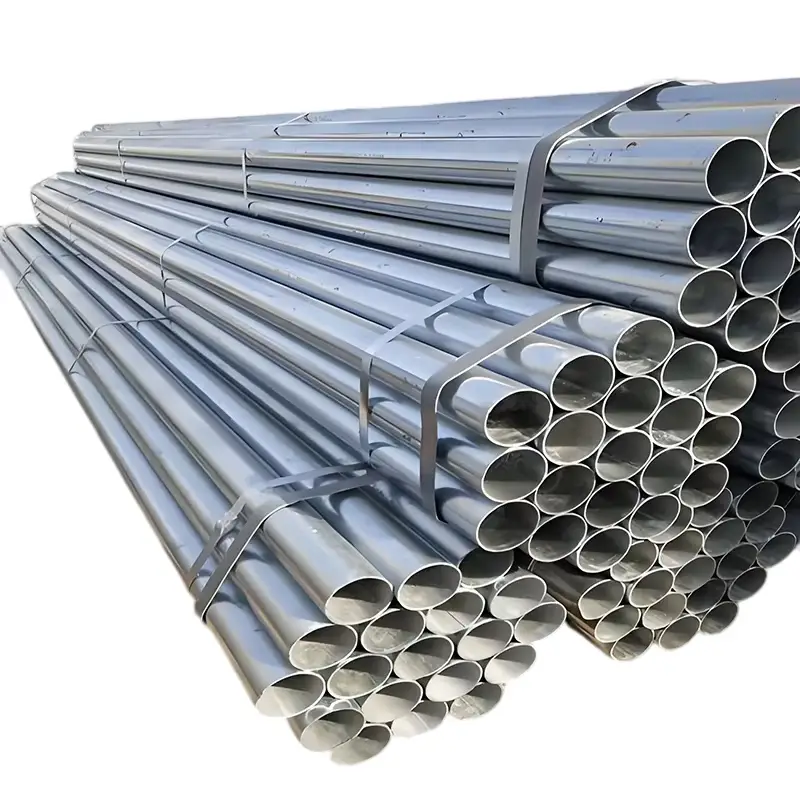
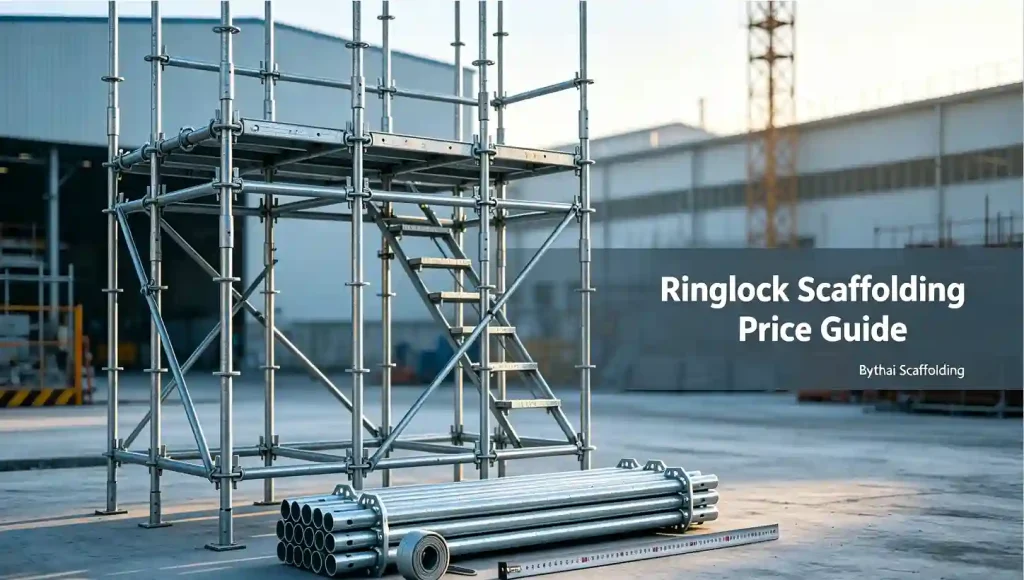
Modern scaffolding configurations rely heavily on heavy-duty steel tubes or modular ringlock systems. Under direct sunlight, steel surfaces can easily reach temperatures above 50°C (122°F). According to basic physics, steel expands when heated. On expansive, long-distance scaffolding runs, this thermal expansion creates internal structural stress if the framework is locked too tightly against unyielding structures without room for micro-movement. Safety inspectors should conduct regular midday walk-throughs during heatwaves to check for subtle bowing or warping along extended horizontal ledgers.
Mitigate Electrical Conductivity and Insulation Failures
High temperatures accelerate the degradation of rubber insulation on temporary power cables running along the metal framework. When combined with sudden afternoon humidity or sweat, a compromised cable can instantly energize the entire metal scaffold, creating a massive electrocution hazard.
Ensure all temporary power lines, lighting systems, and welding cables are either detached from the scaffold or mounted exclusively on heavy-duty, non-conductive insulation brackets.
Test the lightning protection system to ensure the grounding earth resistance remains strictly below 4 Ω, guaranteeing a safe discharge path during summer electrical storms.
Post-Weather Action Plan: The Mandatory Safety Re-Inspection
Once the weather alerts are cleared and the storm passes, workers should not immediately ascend the scaffolding. Environmental stress can cause subtle structural shifts that are invisible from a distance.
Before resuming normal operations, a qualified safety officer must perform a comprehensive, top-to-bottom structural audit:
Inspection Focus | Critical Verification Checklist |
Foundation & Settlement | Check for uneven base settlement, washed-out soil, or gaps under sole boards. |
Couplers & Ties | Use a torque wrench to sample-test critical tie tubes and load-bearing couplers. |
Plumbness & Alignment | Check the vertical alignment of standards using a plumb bob or transit level to catch structural leaning. |
Green Tag Certification | Sign off on a new inspection log and update the scaffold tag to green before opening access. |
Conclusion
In modern construction management, proactive site safety is a critical component of project cost control. The financial impact of a structural failure far outweighs the time spent executing a pre-storm safety checklist. By securing your structural foundations, optimizing wind profiles, and conducting rigorous post-storm inspections, you keep your project moving forward without incident.
At ByThai Scaffolding, we specialize in providing high-grade, hot-dip galvanized ringlock systems, steel tubes, and comprehensive scaffolding rental and sales solutions designed to withstand extreme climate conditions. Explore our rugged inventory and engineering services today to secure your next project.