As a global leader in the scaffolding and steel manufacturing industry, Bythai Scaffolding is dedicated to ensuring absolute transparency and compliance across all our international supply chains.
Following the announcement by the General Administration of Customs of China and the Ministry of Commerce (Announcement No. 65), a strict Export License Management policy for certain steel products officially entered into force. While regulatory adjustments in major manufacturing hubs can often trigger concerns regarding supply chain delays, increased tariffs, or procurement bottlenecks, Bythai Scaffolding has fully streamlined our operations to navigate these changes seamlessly.
Below, we provide a comprehensive analysis of this steel export policy, how it impacts global procurement, and the concrete steps we take to guarantee zero disruption to your construction projects.1. Background: Understanding the New Steel Export Regulation
In late 2025, Chinese commercial and customs authorities introduced updated guidelines to standardize the export of critical steel commodities. The primary objective behind this policy is to elevate market regulation, curb the export of sub-standard metals, and promote high-quality, sustainable trade practices.
According to the official announcement, foreign trade operators exporting designated steel products must proactively obtain an Export License prior to customs clearance. This mechanism ensures that every metric ton of steel leaving Chinese ports meets both national regulatory standards and international quality benchmarks.
2. Which Steel and Scaffolding Products are Affected?
The export license mandate applies selectively to specific steel classifications and Harmonized System (HS) codes. For international contractors, procurement managers, and wholesalers, verifying whether your ordered goods fall under this purview is essential.
The regulated categories primarily encompass:
- Structural Steel Components: Heavy-duty pipes, tubes, and fabricated steel frameworks.
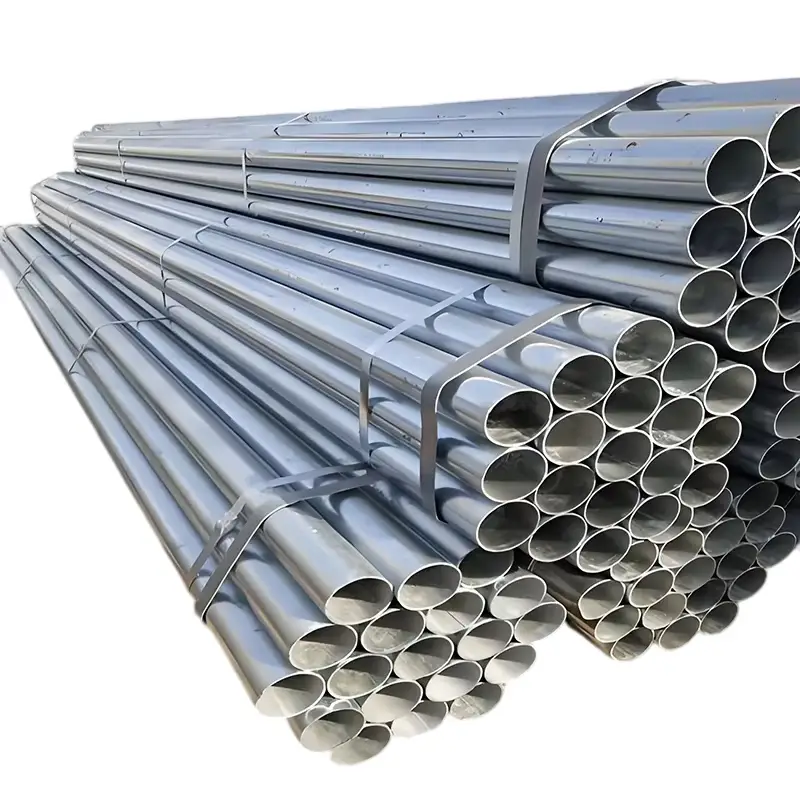
- Scaffolding Materials: Steel scaffolding tubes, galvanized pipes, and modular components such as ringlock systems.
- Couplers & Accessories: Forged steel clamps, base jacks, and related high-stress construction hardware.
Note: If you are uncertain whether your specific product bill of materials (BOM) requires an export license, our legal and logistics team can provide a complimentary HS code verification for your order.
3. Strict Application Requirements: The Two Key Documents
Securing an export license is no longer a mere administrative formality; it demands rigorous validation of the transaction and the manufacturing source. To successfully apply through the competent commercial authorities, an exporter must submit two core pillars of evidence:
- A Valid Export Contract: A fully executed commercial agreement detailing the buyer, recipient destination, precise specifications, and total volume of the steel products.
- A Manufacturer’s Certificate of Product Quality Inspection: An official, certified quality assurance document issued directly by the production facility. This report serves as legal proof that the steel possesses the structural integrity, chemical composition, and load-bearing capacity required by global engineering standards.
For enterprises supervised by the State-owned Assets Supervision and Administration Commission (SASAC) in Beijing, licenses are processed by the Licensing Bureau of the Ministry of Commerce. For private manufacturing entities and local trade operators, the approval falls under provincial-level local commercial authorities or sub-provincial municipal trade bureaus.
4. Direct Impact on International Procurement: Timeline & Costs
When sourcing bulk steel or scaffolding systems from China under this regulatory framework, overseas buyers must account for two primary variables:
A. Factory Lead Times and Logistics
The process of drafting, auditing, and issuing an export license typically requires an additional 5 to 7 working days once the production batch is finalized and tested. Consequently, international buyers are strongly advised to plan their procurement pipelines further in advance. Factoring in this brief administrative window ensures that your maritime shipping schedules and port drop-offs align perfectly without incurring demurrage fees.
B. Procurement Costs and Compliance Stability
Many small-scale, third-party trading agencies or unverified brokers struggle to comply with these regulations because they lack direct manufacturing ties or cannot secure legitimate manufacturer quality certificates. This can lead to seized cargo at customs or sudden order cancellations. Sourcing directly from an established manufacturer mitigates these risks entirely, providing price stability and absolute legal compliance.
5. How Bythai Scaffolding Protects Your Supply Chain
At Bythai Scaffolding, we view compliance not as a hurdle, but as a commitment to excellence. We have fully adapted our internal workflow to absorb the requirements of Announcement No. 65 without passing operational friction on to our clients.
- Integrated Quality Control: Our state-of-the-art manufacturing facilities generate fully compliant, localized Product Quality Inspection Certificates instantly upon batch completion.
- Proactive Document Handling: Our experienced export logistics team maintains direct channels with provincial commercial authorities, securing license approvals ahead of the estimated packing dates.
- Transparent Timelines: We map out your production, testing, licensing, and shipping schedule from day one, ensuring you receive real-time visibility and a dependable arrival date at your destination port.
Frequently Asked Questions (FAQ)
Q1: Will this export license management cause major delays in my scaffolding shipment?
Answer: No. When partnering with Bythai Scaffolding, there will be no unexpected delays. We factor the 5-7 day licensing window into our initial production planning, ensuring that cargo arrives at the port strictly on schedule.
Q2: Do international buyers need to fill out any paperwork for the Chinese export license?
Answer: No, the burden of application rests entirely on the Chinese exporter. As your partner, Bythai Scaffolding manages 100% of the paperwork, including the submission of the contract and the quality inspection certificates to the Ministry of Commerce.
Q3: Is there an extra fee charged to the buyer for this license?
Answer: We absorb the administrative costs associated with standard compliance and licensing for all direct commercial contracts with Bythai Scaffolding. There are no hidden fees.