Scaffolding is a highly mature product in the global construction industry. Driven by ongoing advancements in construction modernization, a wide variety of scaffolding systems have gradually emerged, evolving into safer, more efficient, and highly standardized system solutions.
Currently, the mainstream scaffolding systems in the global market include:
Each system consists of multiple components, and specifications can vary across regions and markets. Choosing the correct scaffolding sizes is essential for project safety, efficiency, and compliance with local standards.
Factors to Consider When Choosing Scaffolding Sizes
The selection of scaffolding sizes usually depends on several factors:
- Project type – Commercial, residential, or industrial construction
- Load-bearing requirements – Expected weight of workers, equipment, and materials
- Regional practices – Local construction practices and labor efficiency
- Ease of Assembly & Ergonomics – Worker comfort, assembly convenience, and handling efficiency on-site
- Local market standards – Regional regulations and commonly used specifications
Main Scaffolding Specifications
The key specifications to consider include:
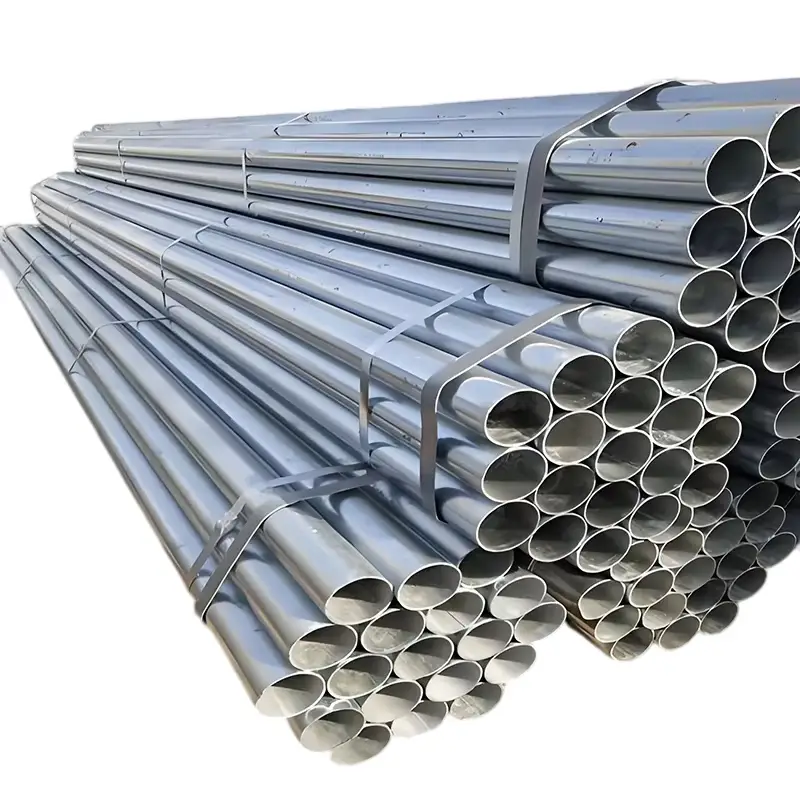
- Tube diameter
- Wall thickness
- Component Lengths (for standards, ledgers, and planks)
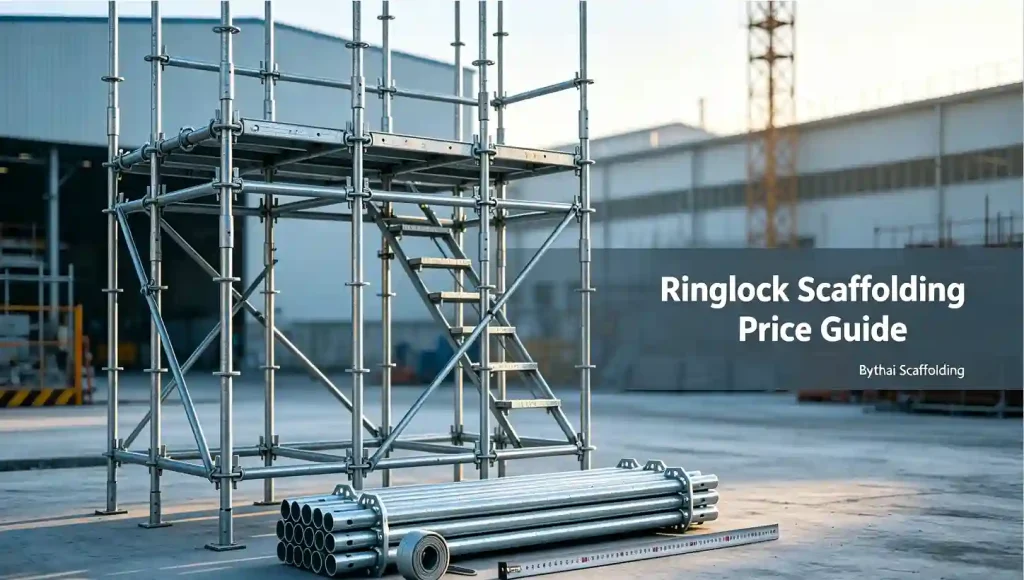
Most countries and regions adopt commonly used standard sizes. For example, in the Ringlock scaffolding system, vertical standards are often produced as:
48.3 × 3.2 mm × Length
Ledger sizes also vary depending on the target market. Common ledger specifications are typically represented as:
Tube Diameter × Wall Thickness × Length
Regional Common Sizes
| Component | Middle East / Southeast Asia | Europe / America |
|---|---|---|
| Ringlock Ledger | 48.3 × 3.0 × 1200 mm, 48.3 × 3.0 × 1500 mm, 48.3 × 3.0 × 2000 mm | 48.3 × 3.0 × 1470 mm, 48.3 × 3.0 × 2070 mm, 48.3 × 3.0 × 3070 mm |
| Steel Plank | 225 × 38 × 1.5 mm × Length / 210 × 45 × 1.2 mm × Length | 320 × 63 × 1.5 mm × Length |
These differences are mainly related to local construction habits, loading requirements, and worker preferences.
Why Choose Bythai Scaffolding for Your Project
Bythai Scaffolding has been exporting high-quality scaffolding products to global markets for many years. With rich international experience, we can help you:
- Select the most suitable scaffolding sizes for your region
- Recommend the right specifications for your project type
- Ensure compliance with local safety and labor standards
Whether you are building commercial towers, industrial platforms, or temporary access scaffolds, our professional team can provide tailored scaffolding solutions to meet your project requirements.
FAQ: Choosing the Right Scaffolding Sizes
Q1: What is the standard diameter for Ringlock scaffolding?
A1: Typically, 48.3 mm vertical standards with wall thickness between 3.0–3.2 mm.
Q2: How do I choose the right ledger size?
A2: Ledger length varies by region and load requirements; refer to the regional standard table above.
Q3: Can Bythai customize scaffolding sizes?
A3: Yes, OEM services are available to match your project blueprints and technical requirements.
Q4: What factors affect the selection of steel planks?
A4: The selection is primarily determined by load-bearing requirements, worker safety preferences, and local construction habits.